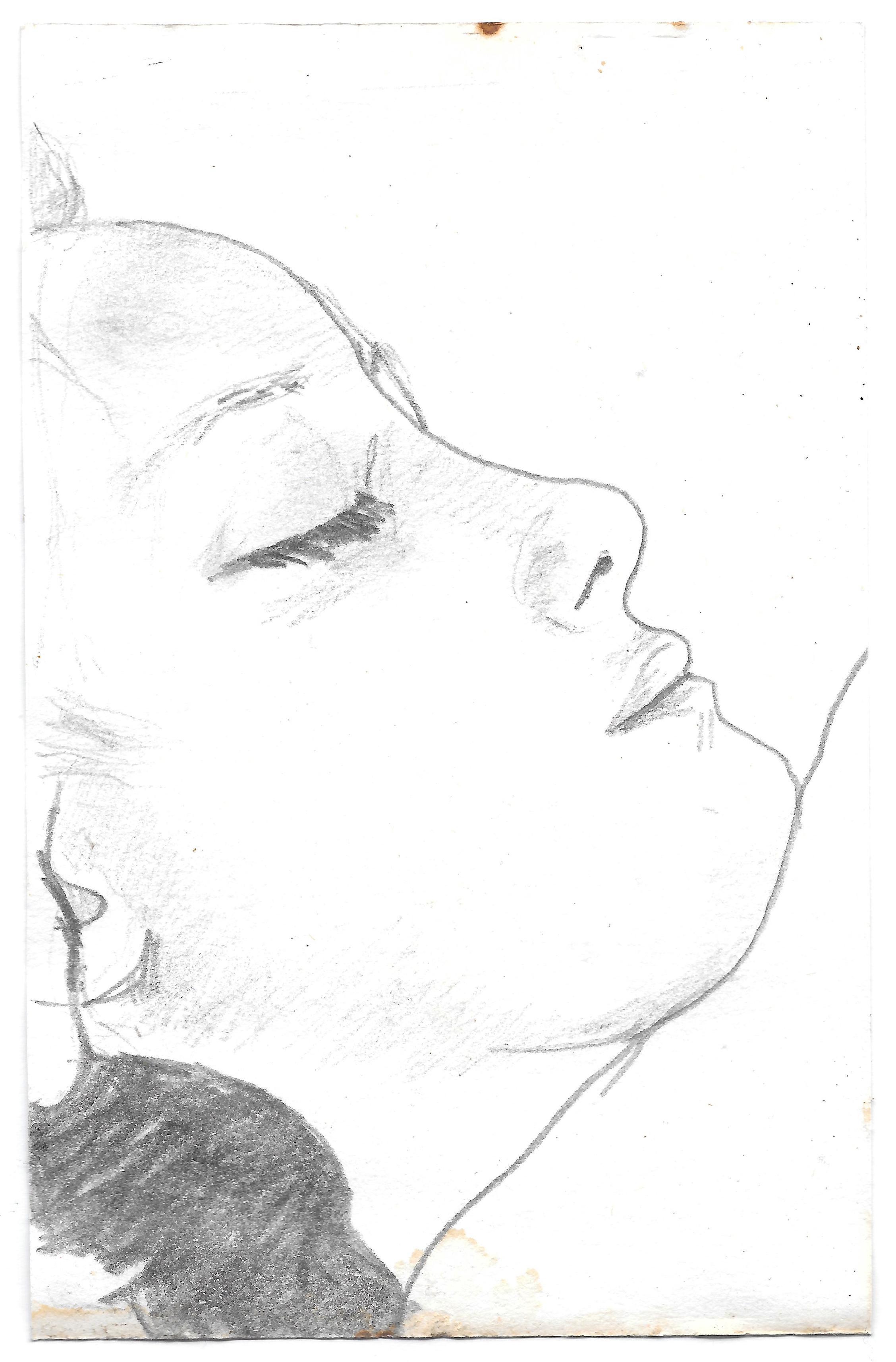
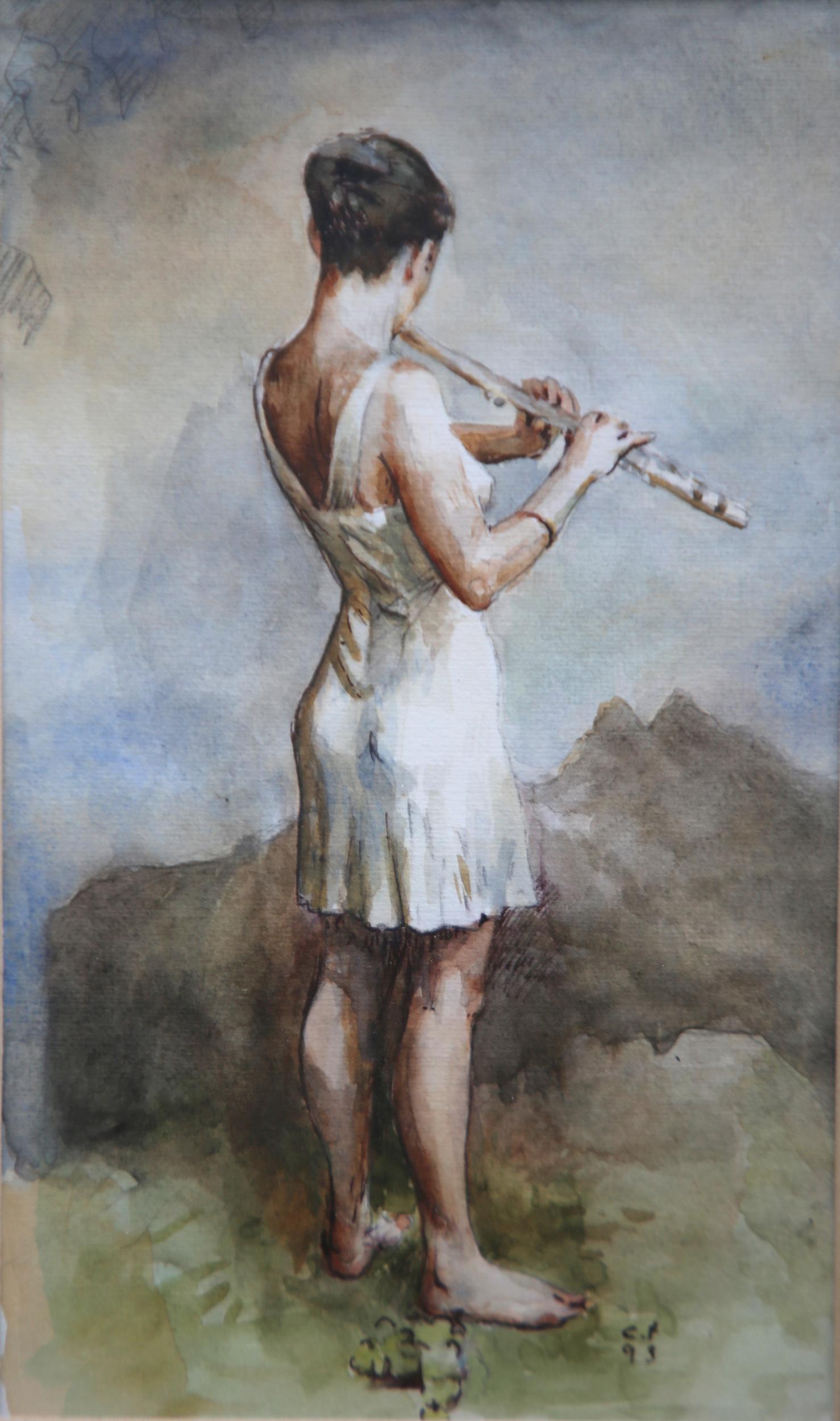
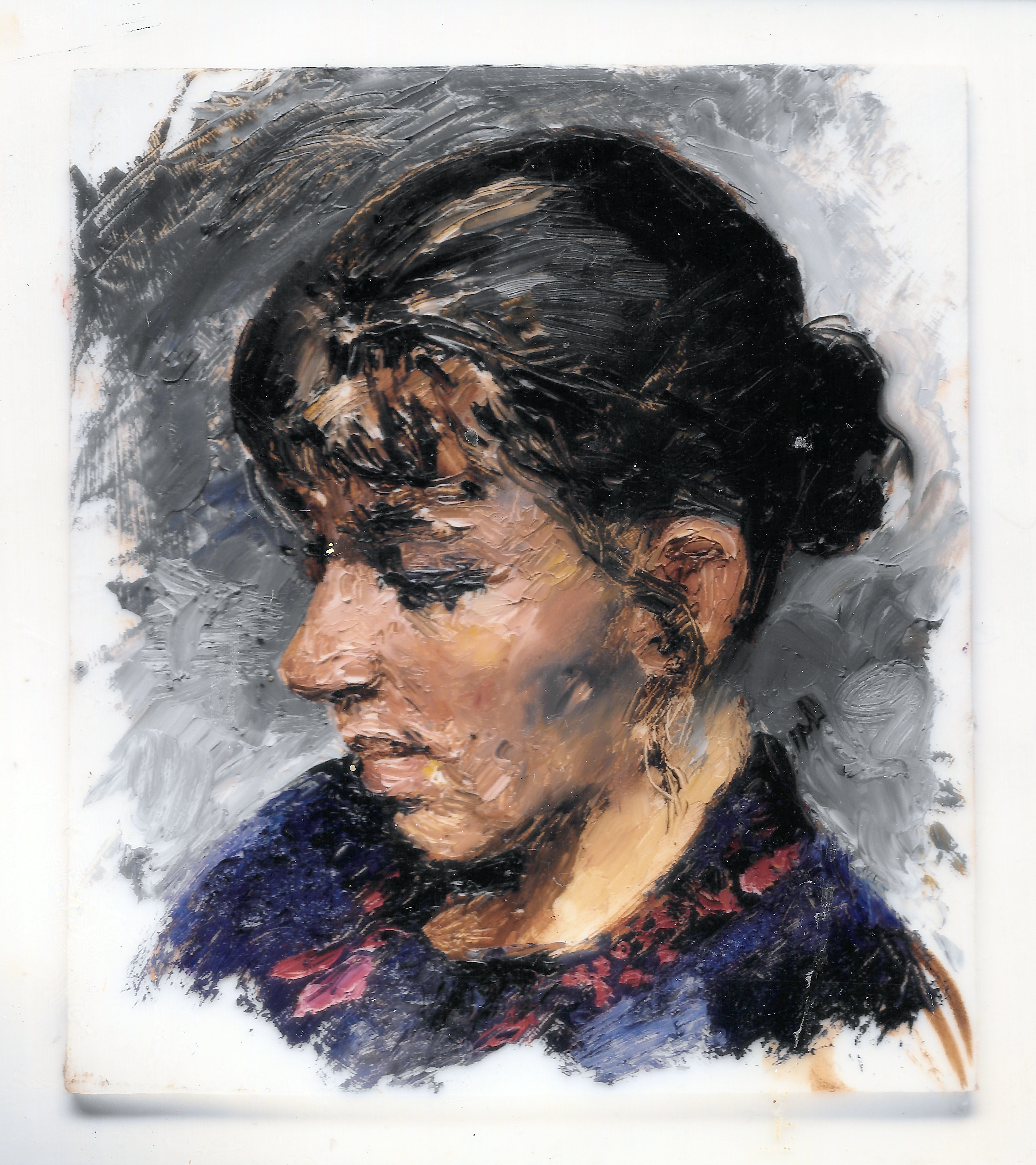
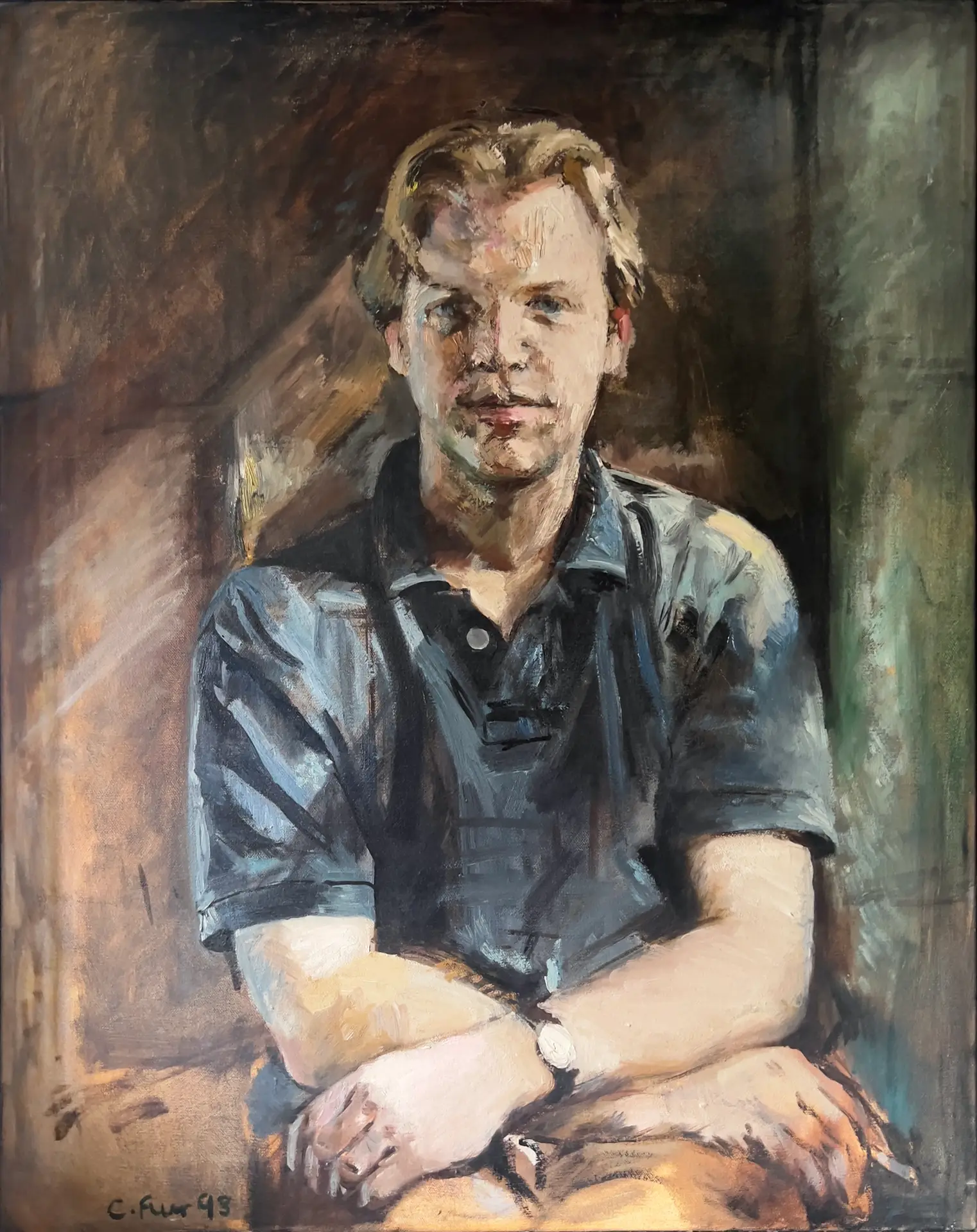
‘One always begins by imitating’ – Eugene Delacroix
Christian Furr was born in 1966 in Heswall, a village on the Wirral peninsula overlooking the Dee river on the other side of the peninsula is the Mersey and Liverpool where his father Peter was from.
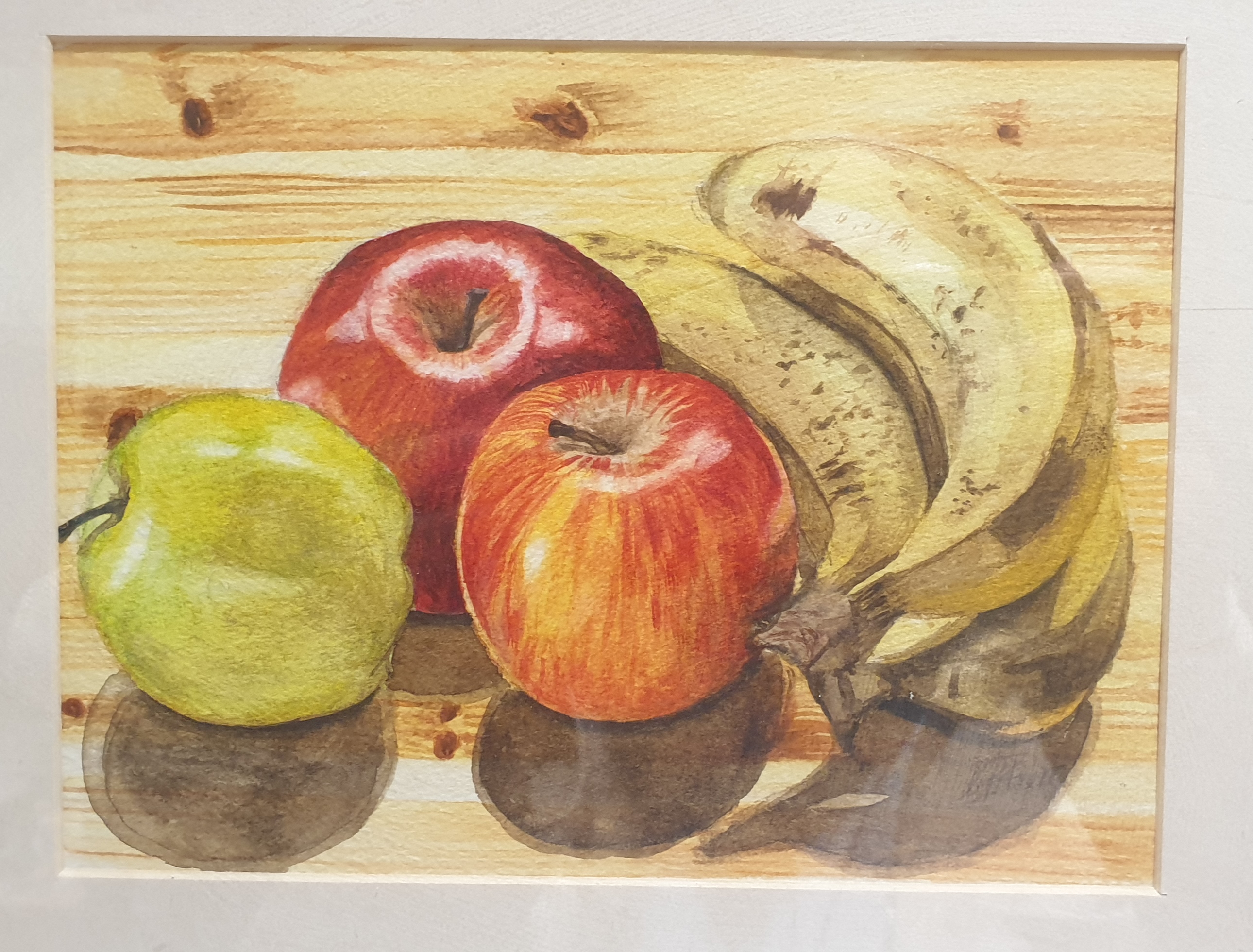
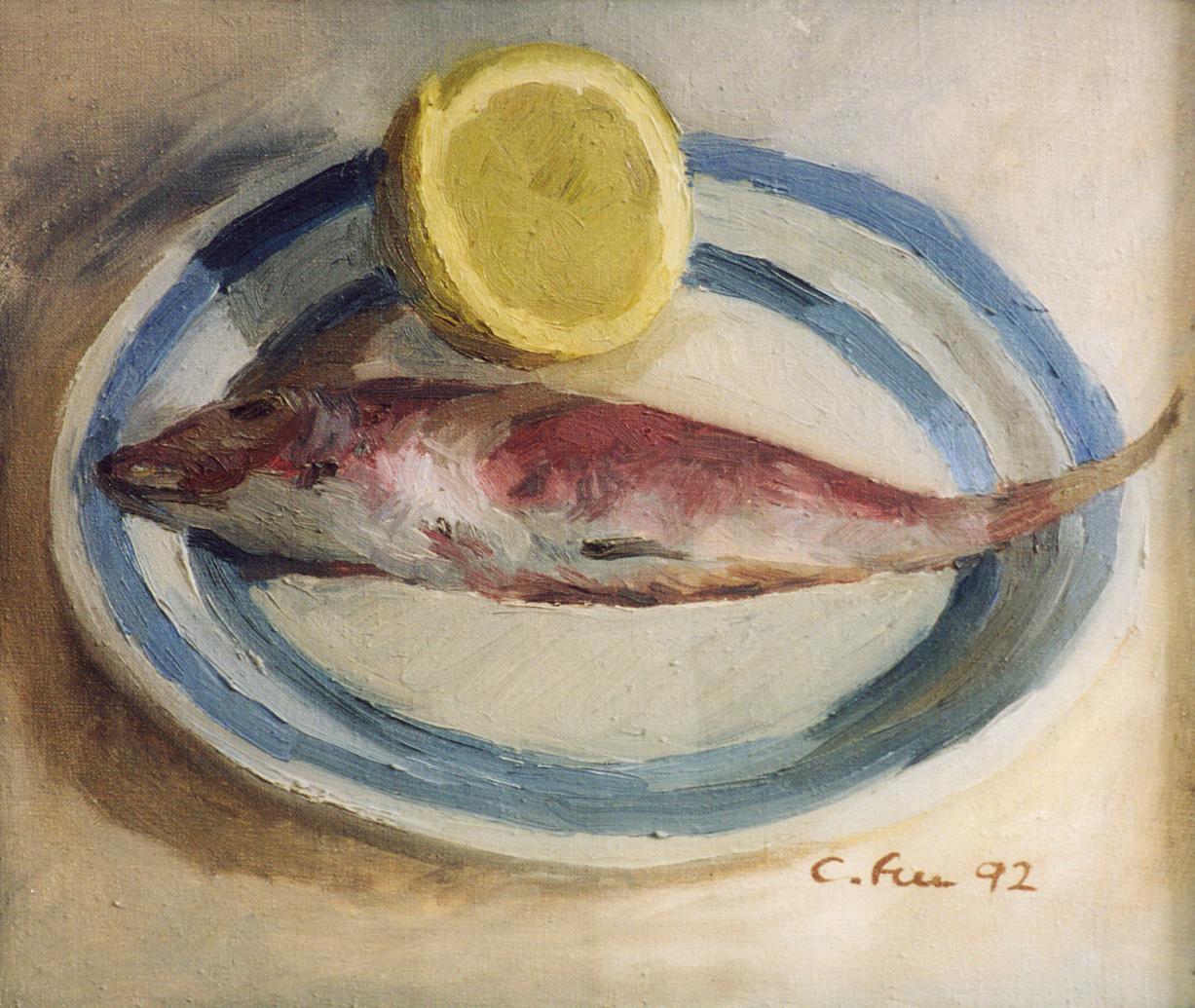
As a child he would copy characters form The Beano comic and Disney characters, with his mother Angela. His father Peter bought him set of watercolours, in his early teens, and he began painting fruit still lives in watercolour which he had set up himself.
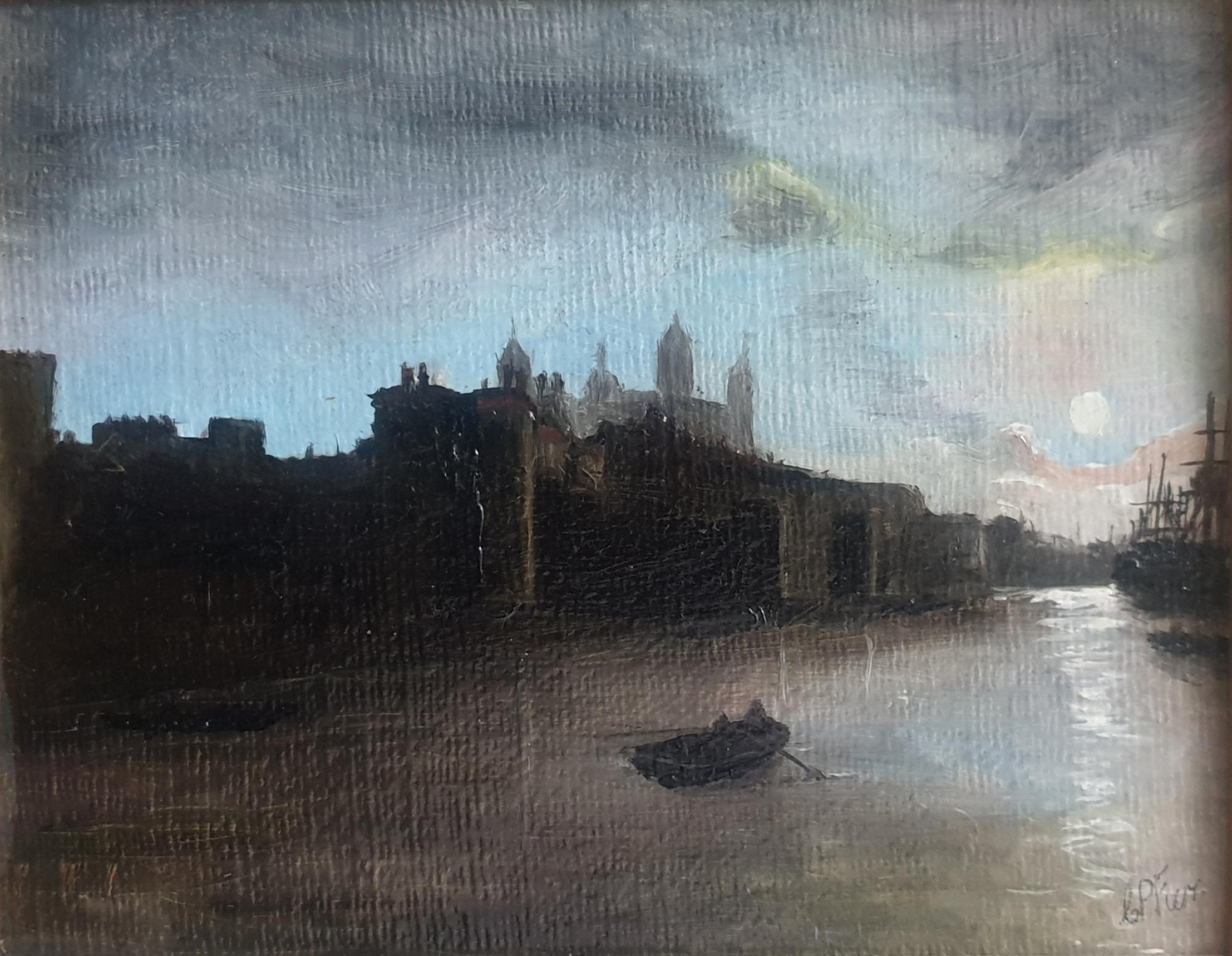
In 1981 Furr discovered oil paint, when he was introduced to it by his maternal grandmother, Mary Davies, who used to paint flowers. He attended a local art class, run by Norma Whitehead, with his grandmother at ‘The Stables’ in Upton, Wirral and began to copy older paintings to try and work out how they had been constructed, such as ‘Liverpool Docks’ by Atkinson Grimshaw and his first copy of a portrait with the Thomas Lawrence, painted when Furr was 15 yrs old. He started to be commissioned by members of his family for portraits of people and pets.
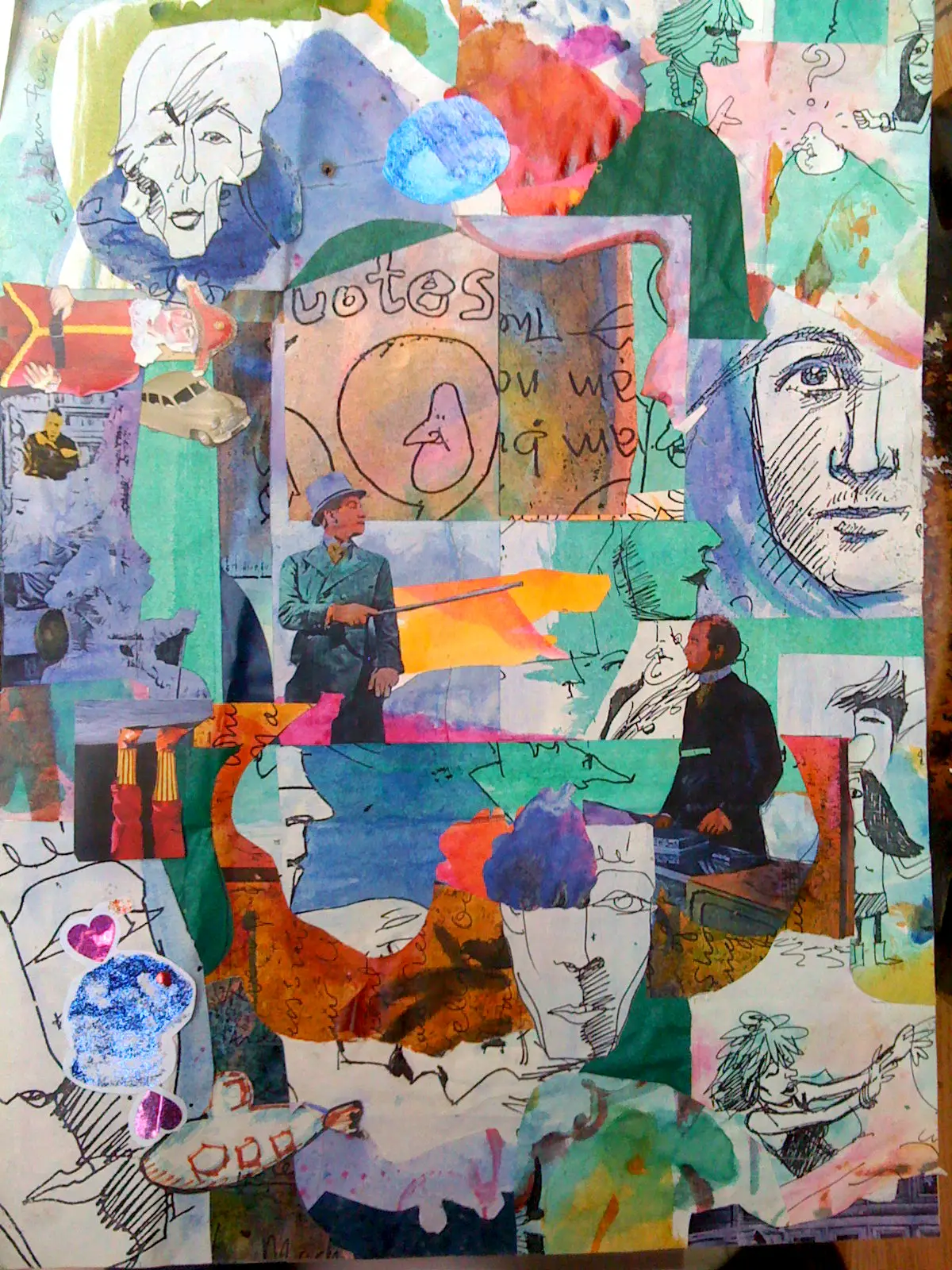
As a teenager, Furr would also draw humorous cartoons with his friend Ged Adamson to amuse themselves (now a children’s book author and illustrator) The friends painted a mural together in 1988 on the Christian’s bedroom wall.
Furr attended an art foundation course at Wirral Metropolitan College which was then based in Withens Lane Wallasey and painted his first landscape “Liverpool Schoolyard 1986”. His foundation report had the name heading as “Chris (I think he’s in the library) Furr”. Joe McGillivray, his tutor, had written this because whenever he asked his fellow foundation students where Furr was, that was their response.
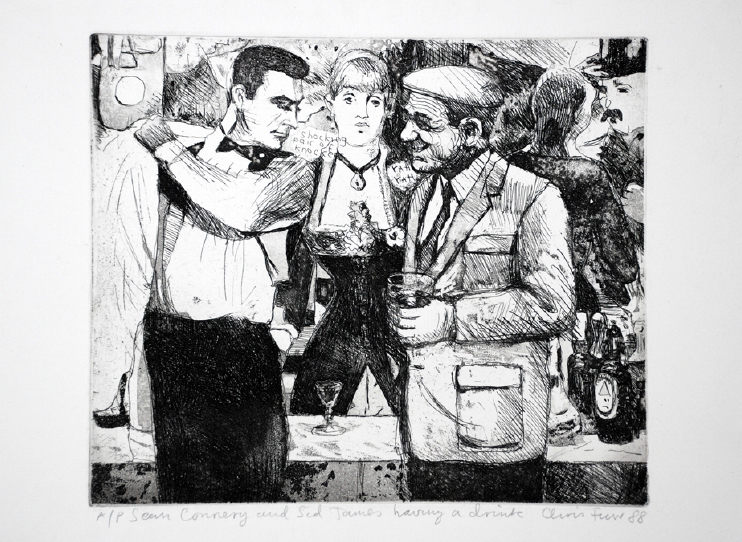
Furr studied Fine Art BA Hons at De Montfort University (then called Leicester Polytechnic) graduating with a 1st in 1989. At university, as well as studying painting, Furr made etchings, screenprints and an animation in Super 8 film to accompany a Scott Walker song ‘Rosemary’.
When Furr began his degree in Fine Art at De Montfort University in Leicester, he found inspiration for his work at the college library. A habit seemingly formed at Wirral Metropolitan College.
“At the Kimberlin Library at De Montfort University, I discovered a huge archive of film stills from kitchen sink dramas of the 60s. ‘Look Back In Anger’ with Richard Burton and Clare Bloom included an image of them in a confined space with the female protagonist at an ironing board. I started watching all these black and white films and discovered things like ‘A Kind of Loving’ with Alan Bates and the quirky writing of Shelagh Delaney and ‘A Taste of Honey’. Being from the North they must have reminded me of home so at college, I started doing etchings based on these film stills that also included lines from the films.”
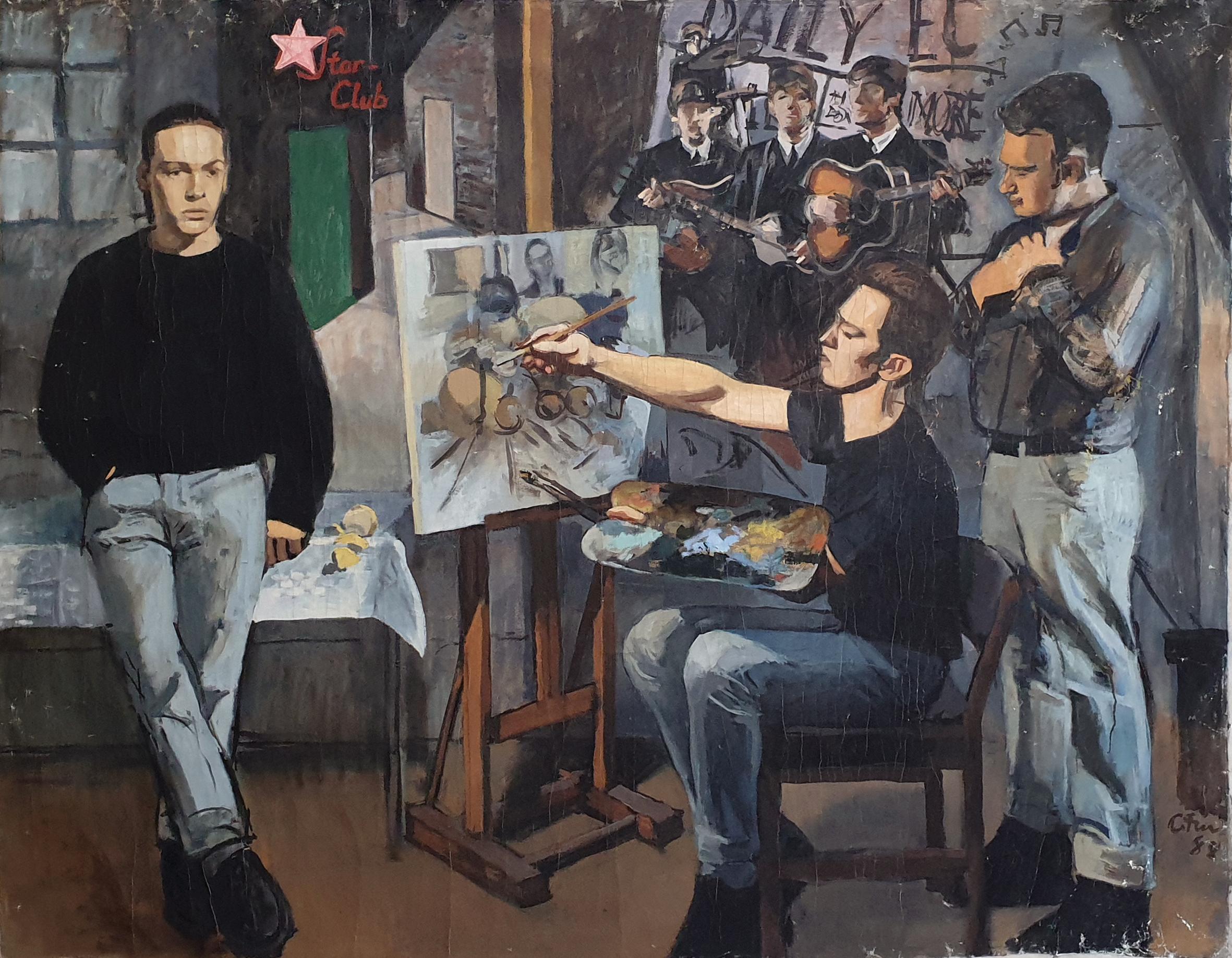
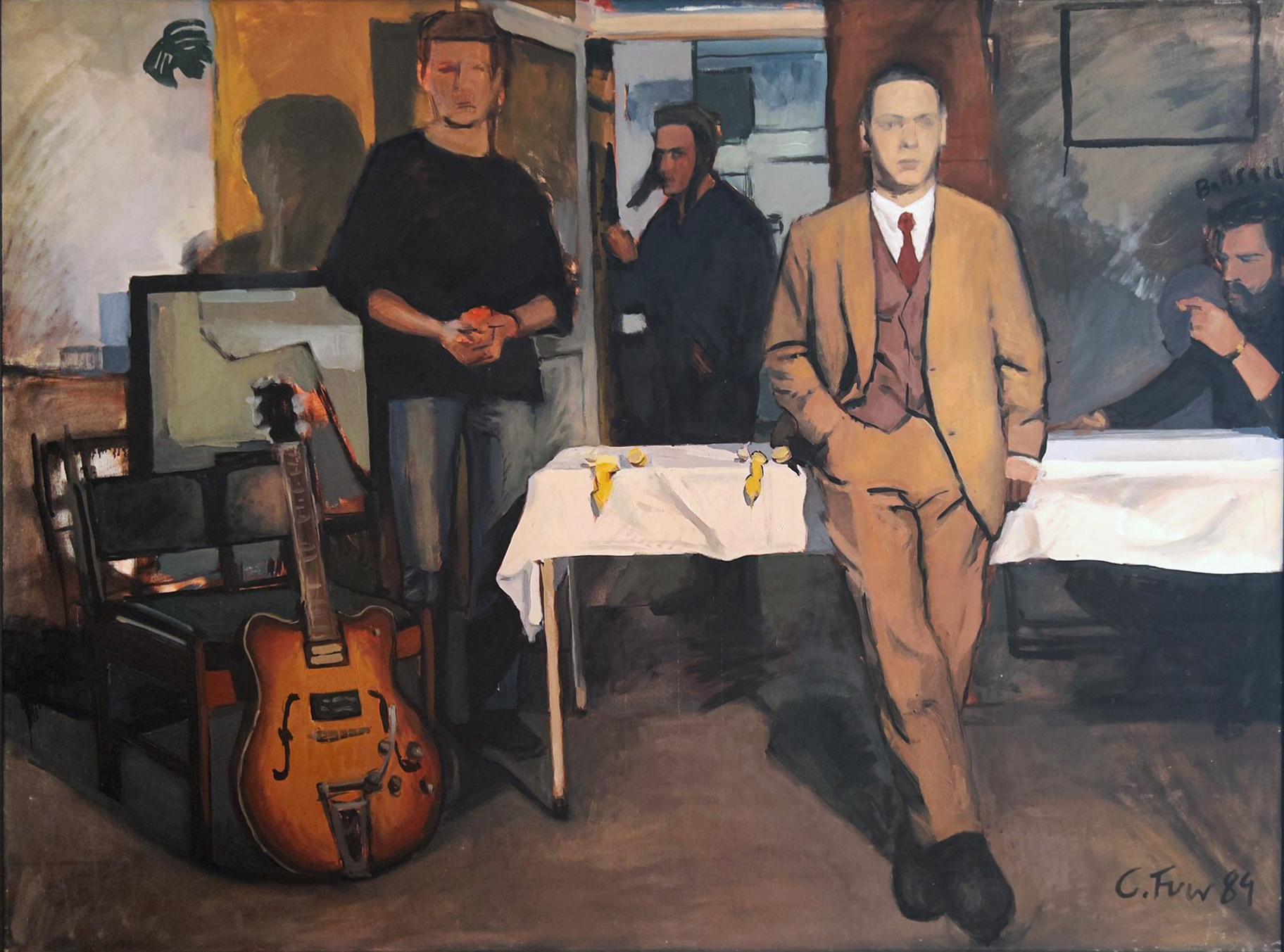
His work of the eighties is rooted in the classical figurative tradition with the paintings he produced at the end of the decade being heavily indebted to the figurative painters whose realism he admired and emulated – Manet, Velazquez and Courbet. In the degree show catalogue Furr stated he wanted to “contemporize the figurative tradition”. Compositions were adopted from these artists which culminated in the ambitious “The Artists Studio” a large 9 x 6 ft canvas which was exhibited at the National Portrait Gallery in 1989.